
Benefits of Boxing for Kids and Teens
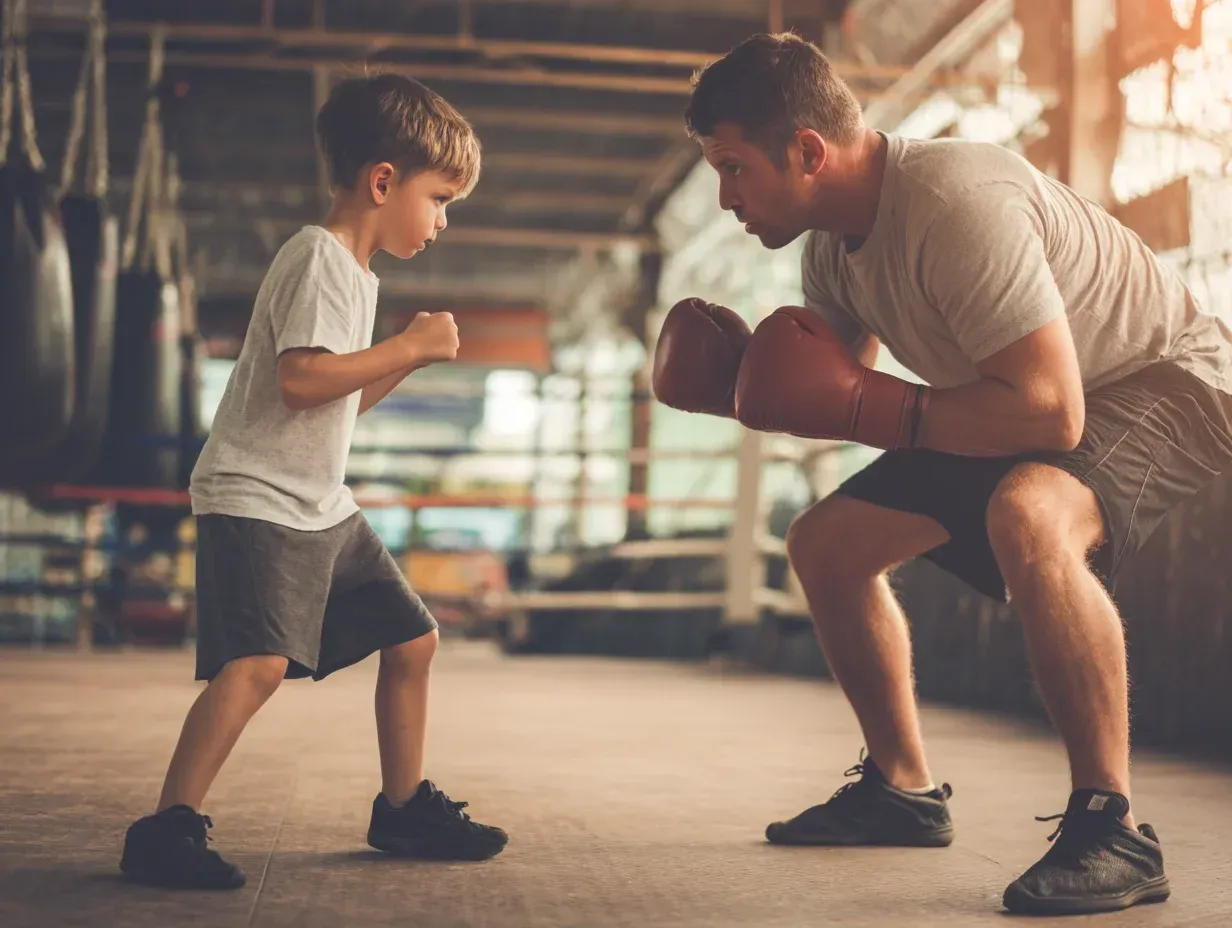
Boxing for kids and teens isn’t about fighting—it’s about fitness, discipline, confidence, and emotional development. When taught properly, youth boxing is one of the most well-rounded activities young people can participate in, offering physical, mental, and social benefits that extend far beyond the gym.
As parents and educators look for activities that build resilience, focus, and healthy habits, boxing is increasingly recognized as a powerful option.
Boxing for Youth Is About Skill, Not Violence
A common misconception is that boxing teaches aggression. In reality, youth boxing programs focus on:
- Technique and coordination
- Controlled movement
- Discipline and respect
- Non-contact or light-contact drills
Most kids’ and teens’ boxing programs do not involve sparring, especially for younger age groups.
Physical Benefits of Boxing for Kids and Teens
1. Full-Body Fitness and Coordination
Boxing engages the entire body:
- Legs and hips for movement
- Core for balance and rotation
- Arms and shoulders for controlled punching
This improves overall athleticism, coordination, and body awareness—key foundations for growing bodies.
2. Improved Cardiovascular Health
Boxing naturally builds endurance through:
- Continuous movement
- Short bursts of effort
- Active recovery
Kids and teens develop stronger hearts and lungs while having fun—often without realizing they’re doing “cardio.”
3. Strength Without Excessive Strain
Youth boxing uses:
- Bodyweight movements
- Light resistance
- Technique-based repetition
This helps build strength safely, without heavy lifting or joint stress, making it appropriate for developing bodies.
4. Balance, Agility, and Motor Skills
Footwork drills improve:
- Balance and stability
- Agility and quickness
- Reaction time
These skills benefit all sports and everyday movement.
Mental and Emotional Benefits
5. Builds Confidence and Self-Esteem
Boxing builds confidence through earned progress:
- Learning new skills
- Seeing improvement over time
- Overcoming challenges
Kids and teens begin to trust their abilities and feel more capable in school, sports, and social settings.
6. Teaches Emotional Regulation
Young people often struggle with big emotions.
Boxing helps by:
- Providing a healthy outlet for energy
- Teaching calm breathing under effort
- Encouraging focus instead of impulsive reactions
This improves emotional control and reduces behavioral issues.
7. Improves Focus and Attention
Boxing requires:
- Listening to instructions
- Remembering combinations
- Coordinating movement
These demands strengthen concentration and can positively impact academic performance.
Discipline and Life Skills
8. Teaches Structure and Consistency
Boxing classes are structured:
- Warm-up
- Skill work
- Conditioning
- Cool-down
Kids learn the value of routine, preparation, and follow-through—skills essential for long-term success.
9. Encourages Respect and Sportsmanship
Quality youth boxing programs emphasize:
- Respect for coaches and peers
- Listening and self-control
- Effort over ego
These values help kids develop maturity and accountability.
10. Builds Resilience and Grit
Boxing isn’t always easy—and that’s the point.
Kids and teens learn:
- How to push through difficulty
- How to handle mistakes
- How to improve with practice
- This resilience transfers to school, friendships, and future challenges.

Social Benefits of Boxing for Youth
11. Positive Peer Environment
Boxing gyms often foster:
- Supportive communities
- Encouragement over competition
- Shared effort and teamwork
This can be especially beneficial for kids who don’t thrive in traditional team sports.
12. Healthy Outlet During Critical Development Years
Teen years come with stress, pressure, and emotional changes.
Boxing provides:
- A constructive outlet
- Physical stress relief
- A sense of belonging
- Reduced screen time
It helps teens channel energy in a positive direction.
Safety Considerations for Parents
Is Boxing Safe for Kids and Teens?
Yes—when properly supervised.
Safe youth boxing programs include:
- Age-appropriate training
- Focus on technique and fitness
- Little to no contact for younger kids
- Protective equipment when needed
- Qualified coaches
Parents should always choose reputable programs with clear safety standards.
What Age Can Kids Start Boxing?
Many programs accept kids as young as 6–8 years old, focusing on:
- Basic movement
- Coordination games
- Light technique drills
Intensity increases gradually with age and maturity.
Boxing vs Other Youth Sports
Compared to Team Sports
- No pressure to perform for a team
- Individual progress matters
- Flexible participation
Compared to Traditional Gyms
- More engaging and skill-based
- Better discipline development
- Greater confidence-building
Boxing works well for a wide range of personalities.
How Often Should Kids and Teens Train?
Balance is key.
Recommended
- 2–3 sessions per week
- 45–60 minutes per session
- Focus on fun, skill, and consistency
- More is not always better—enjoyment drives long-term participation.
Common Myths About Boxing for Youth
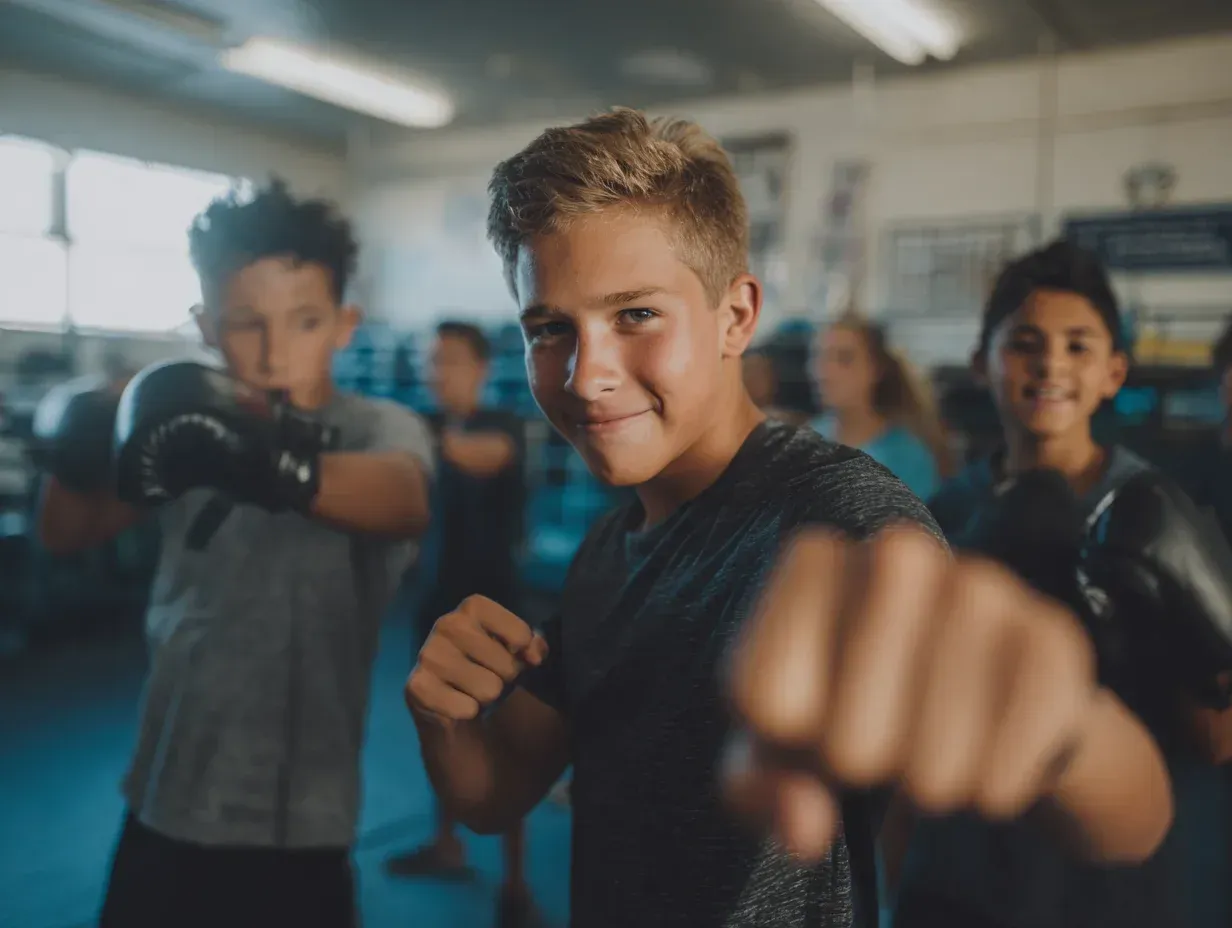
“Boxing makes kids aggressive.”
Proper
boxing training teaches control, not aggression.
“My child might get hurt.”
Youth boxing prioritizes safety and non-contact learning.
“Boxing is only for tough kids.”
Boxing benefits shy, energetic, athletic, and non-athletic kids alike.
Long-Term Benefits Into Adulthood
Kids and teens who box often carry forward:
- Healthy fitness habits
- Strong self-discipline
- Emotional resilience
- Confidence under pressure
These benefits last long after training ends.
Final Thoughts: Boxing Builds Stronger Kids—Inside and Out
Boxing for kids and teens isn’t about fighting. It’s about:
- Confidence
- Discipline
- Focus
- Physical health
- Emotional strength
When taught correctly, boxing becomes a powerful tool for helping young people grow into strong, balanced, and resilient adults.
For parents seeking an activity that supports both physical and personal development, boxing is one of the most complete options available.