
Boxing vs Pilates: Which Is Better for Core Strength?
Core strength is more than visible abs—it’s about stability, power transfer, posture, and control. Two popular ways people train their core are boxing and Pilates, but they build core strength in very different ways.
So which one is better?
The answer depends on what kind of core strength you want and how you plan to use it. This guide breaks down how boxing and Pilates compare, their benefits, and who each method is best for.
What Does “Core Strength” Really Mean?
The core isn’t just your abs. It includes:
- Deep abdominal muscles
- Obliques
- Lower back
- Pelvic floor
- Hips and stabilizers
True core strength means:
- Stabilizing your spine
- Transferring force efficiently
- Controlling movement under load
- Resisting rotation and imbalance
Both boxing and Pilates train these—but differently.
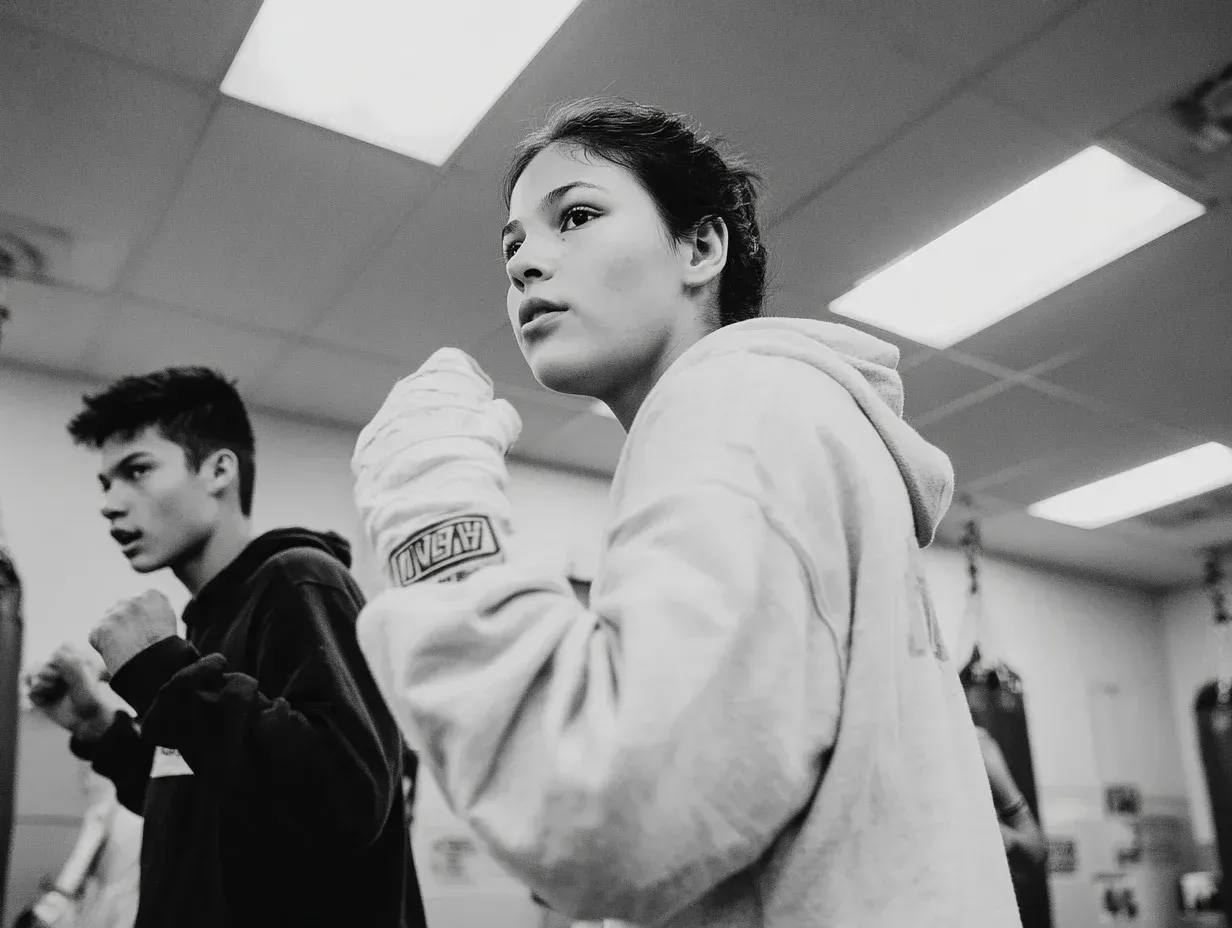
How Boxing Builds Core Strength
Boxing develops dynamic, functional core strength through movement and force generation.
Core Demands in Boxing
Every punch requires:
- Leg drive
- Hip rotation
- Core bracing
- Controlled deceleration
Your core acts as a power bridge between the lower and upper body.
Key Core Benefits of Boxing
1. Rotational Strength
Punching heavily trains the obliques and rotational muscles, which are critical for:
- Power generation
- Athletic movement
- Injury prevention
2. Anti-Rotation and Stability
Boxers must stay balanced while rotating and absorbing force. This builds strong anti-rotation capacity.
3. Endurance-Based Core Strength
Holding guard, moving constantly, and maintaining posture under fatigue trains core endurance, not just strength.
Limitations of Boxing for Core Strength
Boxing alone may lack:
- Slow, controlled activation of deep stabilizers
- Focused spinal alignment work
- Precision rehabilitation for weak or injured cores
- This is where Pilates shines.
How Pilates Builds Core Strength
Pilates focuses on controlled, precise core activation and alignment.
Core Focus in Pilates
Pilates emphasizes:
- Deep abdominal engagement
- Neutral spine control
- Pelvic stability
- Breath-to-movement coordination
The core is the center of every movement.
Key Core Benefits of Pilates
1. Deep Core Activation
Pilates targets muscles that are often neglected, including:
- Transverse abdominis
- Pelvic floor
- Deep spinal stabilizers
These muscles protect the spine and improve posture.
2. Control and Precision
Movements are slow and deliberate, improving:
- Motor control
- Body awareness
- Core engagement efficiency
3. Injury Prevention and Rehabilitation
Pilates is excellent for:
- Back pain
- Postural imbalances
- Injury recovery
- Building a strong foundation
Limitations of Pilates for Core Strength
Pilates generally does not train:
- Explosive core power
- High-intensity endurance
- Core strength under chaos or fatigue
This limits transfer to sports like boxing or other athletics.
Boxing vs Pilates: Core Strength Comparison
Rotational Power
Winner: Boxing
Punching develops powerful, athletic rotation.
Deep Stabilizer Activation
Winner: Pilates
Pilates excels at targeting deep core muscles.
Core Endurance
Winner: Boxing
Sustained movement and guard position build endurance.
Posture and Alignment
Winner: Pilates
Pilates focuses heavily on spinal health and posture.
Athletic Transfer
Winner: Boxing
Boxing core strength transfers well to sports and real-world movement.
Which Builds a “Stronger” Core?
It depends on your definition.
Boxing Builds a Core That Is:
- Powerful
- Reactive
- Endurance-based
- Athletic and functional
Pilates Builds a Core That Is:
- Stable
- Controlled
- Well-aligned
- Injury-resistant
Neither is superior overall—they serve different purposes.
Best Choice Based on Your Goals
Choose Boxing If You Want:
- Explosive, athletic core strength
- Fat loss and conditioning
- Sports performance carryover
- High-energy training
Choose Pilates If You Want:
- Better posture
- Deep core activation
- Injury prevention
- Low-impact, controlled training
Can You Combine Boxing and Pilates?
Absolutely—and it’s one of the best combinations possible.
Why the Combination Works
- Pilates strengthens the foundation
- Boxing applies that strength dynamically
- Injury risk is reduced
- Performance and longevity improve
Many high-level athletes use Pilates to support explosive sports.
Sample Weekly Combination Approach
- 2–3 boxing sessions (power, endurance, conditioning)
- 1–2 Pilates sessions (control, stability, recovery)
This builds a strong, resilient, and athletic core.
Common Core Training Mistakes
- Training abs without movement context
- Ignoring breathing mechanics
- Overemphasizing crunches
- Neglecting posture and alignment
- Choosing intensity over control
Effective core training balances strength, control, and endurance.

How Long Before You See Results?
With consistent training:
- 2–3 weeks: improved awareness and stability
- 4–6 weeks: noticeable strength gains
- 8–12 weeks: visible posture and performance changes
Consistency matters more than modality.
Final Thoughts: Different Tools, Better Together
Boxing and Pilates don’t compete—they complement. Boxing builds a core that’s powerful and battle-tested. Pilates builds a core that’s stable, aligned, and resilient.
If your goal is maximum core strength and long-term performance, the smartest approach is using both.
Train smart, not narrow—and your core will thank you.