
How to Use Boxing to Improve Hand-Eye Coordination
Hand-eye coordination is one of the most valuable athletic skills—not just in boxing, but in daily life, sports, and reaction-based activities. Boxing trains this skill better than almost any other discipline because it forces your eyes, hands, feet, and brain to work together under pressure.
Whether you’re a beginner or experienced athlete, boxing offers simple, effective ways to dramatically improve hand-eye coordination.
This guide explains how boxing develops coordination and how to train it correctly.
What Is Hand-Eye Coordination?
Hand-eye coordination is the ability to process visual information and respond with precise, timed movements of the hands.
In boxing, this includes:
- Seeing openings
- Timing punches
- Reacting to movement
- Adjusting distance
- Defending while attacking
Better coordination leads to faster reactions, cleaner technique, and greater confidence.
Why Boxing Is So Effective for Coordination
Boxing trains coordination because it combines:
- Continuous visual tracking
- Precise hand movement
- Footwork and balance
- Timing and rhythm
- Decision-making under fatigue
Unlike static drills, boxing requires constant adjustment.
How Boxing Improves Hand-Eye Coordination
1. Visual Tracking and Focus
Boxing forces you to track movement in real time.
What It Trains
- Peripheral vision
- Depth perception
- Focus under motion
- Visual anticipation
Your eyes learn to stay calm and focused while the body moves.
2. Timing Punches with Visual Cues
Every punch in boxing is a reaction.
You learn to:
- Recognize openings
- Time strikes accurately
- Adjust speed and distance
- React instead of guessing
This sharpens reflexes and precision.
3. Coordinating Hands, Feet, and Eyes
Punching without footwork is ineffective.
Boxing teaches:
- Hand-foot synchronization
- Balanced movement
- Efficient transitions
- Controlled body positioning
True coordination is full-body coordination.
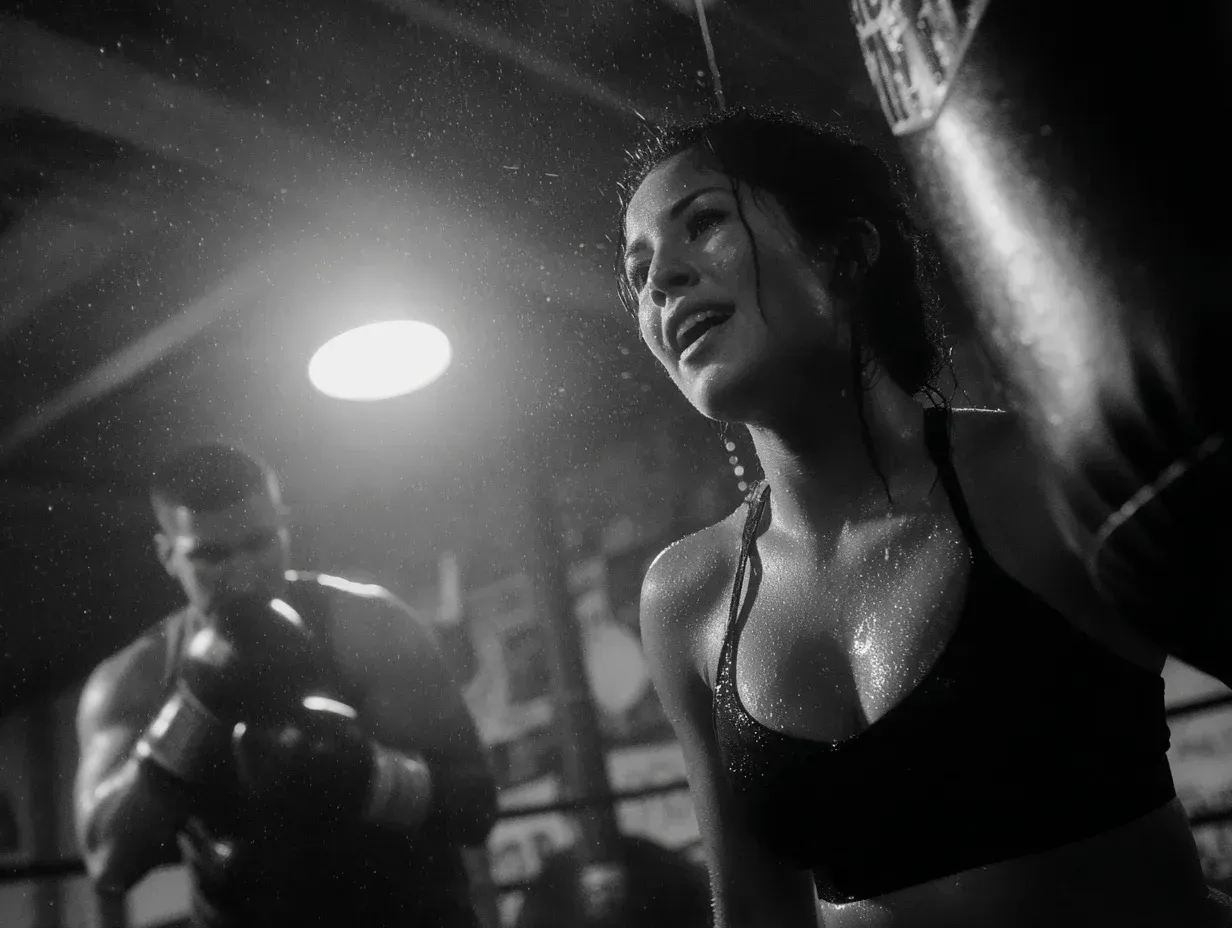
Best Boxing Drills to Improve Hand-Eye Coordination
1. Shadowboxing with Visualization
Why it works:
Forces the brain to coordinate movement without external targets.
How to Do It
- Visualize an opponent
- Throw clean combinations
- Add slips and counters
- Maintain steady movement
Start slow. Precision comes before speed.
2. Heavy Bag Accuracy Drills
Why it works:
Provides a visual target with resistance.
Drill
- Pick specific spots on the bag
- Punch only those targets
- Change targets mid-round
Accuracy-focused bag work beats mindless power punching.
3. Double-End Bag Training
Why it works:
One of the best tools for coordination.
Benefits
- Improves timing
- Sharpens reactions
- Forces precision
- Enhances rhythm
Start slow and stay relaxed.
4. Slip Bag or Reflex Ball Drills
Why it works:
Trains defensive reactions and eye tracking.
Focus On
- Head movement timing
- Staying balanced
- Keeping eyes on the target
Great for defensive coordination.
5. Hand Speed and Reaction Drills
Simple Options
- Catch-and-release tennis ball drills
- Partner reaction taps
- Light focus mitt work
-
These sharpen fast-twitch coordination.
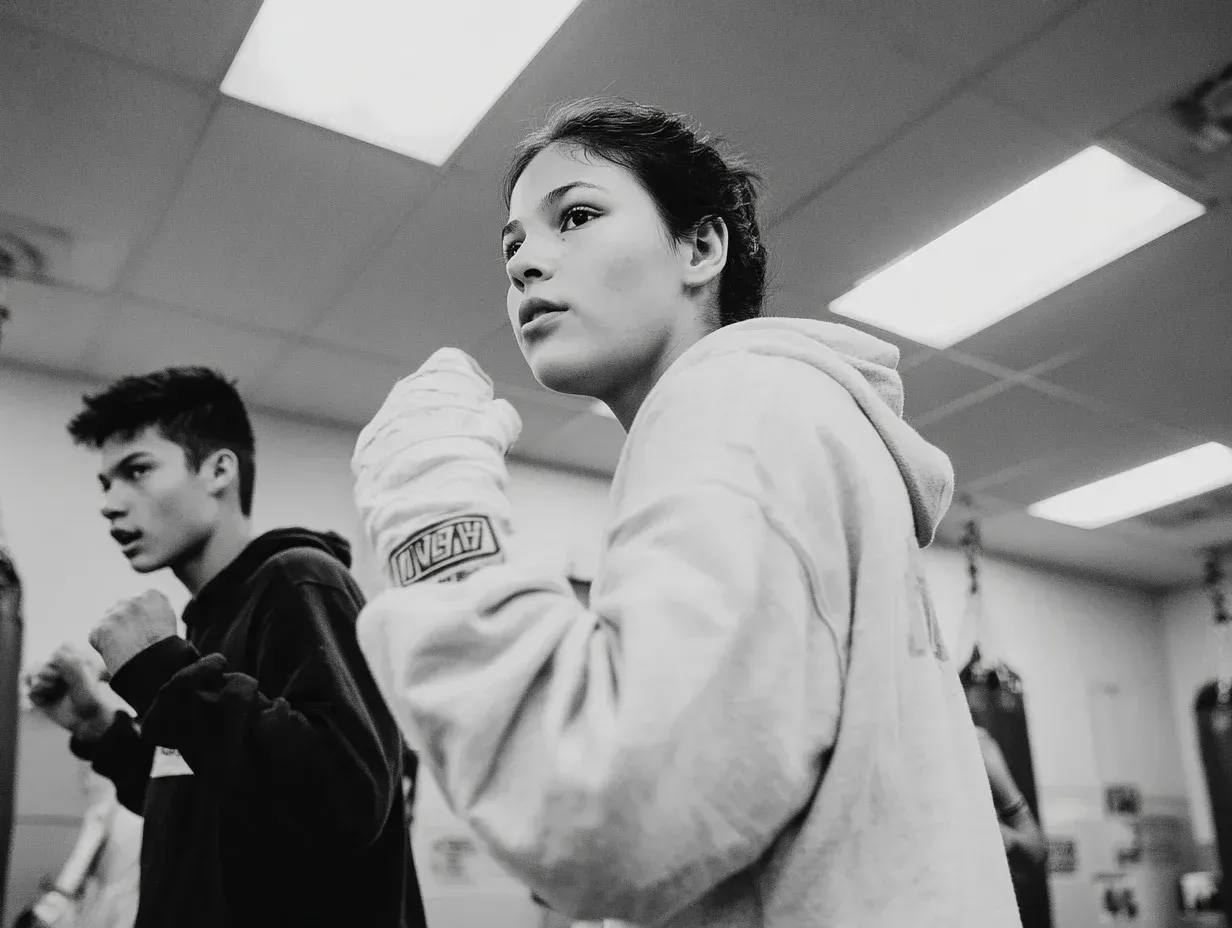
Shadowboxing for Coordination vs Fitness
Coordination-Focused Shadowboxing
- Slow, controlled pace
- Clean technique
- Visual focus
- Intentional movement
Fitness-Focused Shadowboxing
- Continuous movement
- Faster tempo
- Longer rounds
Train both—but separate their purpose.
Common Coordination Mistakes in Boxing
- Looking away while punching
- Over-speeding before control
- Ignoring footwork
- Punching without balance
- Holding breath
Control always comes before speed.
How Often Should You Train Coordination?
You can train coordination daily with low impact drills.
Recommended Frequency
- 10–15 minutes per session
- 3–6 days per week
- Light intensity, high focus
Consistency beats intensity.
How Long Before You See Results?
With focused training:
- 1–2 weeks: improved accuracy
- 3–4 weeks: faster reactions
- 6–8 weeks: noticeable coordination gains
-
Coordination compounds over time.
Boxing Coordination Benefits Beyond the Gym
Improved hand-eye coordination helps with:
- Other sports
- Driving and daily tasks
- Balance and posture
- Cognitive sharpness
- Confidence and body awareness
Boxing builds transferable athletic skills.
Final Thoughts: Box Smarter, Move Better
Boxing is one of the most effective ways to improve hand-eye coordination because it trains vision, movement, timing, and decision-making simultaneously.
Focus on:
- Precision over speed
- Visual awareness
- Controlled repetition
- Consistent practice
Do that, and your coordination will improve faster than you expect.